
In modern CNC machining environments, productivity depends on more than just the machine tool and cutting inserts. The performance of the cutting fluid plays a critical role in maintaining machining stability, protecting tooling and ensuring consistent surface finish.
For manufacturers machining aluminium, titanium and mixed alloys, selecting the right coolant can significantly reduce downtime, improve tool life and lower operating costs.
One solution increasingly used across machining environments is B‑Cool 755, developed by Blaser Swisslube and exclusively supplied in the UK through Jemtech (Advanced Fluid Management).
This high-performance cutting fluid is mineral-oil based, water-miscible and chlorine-free, making it suitable for demanding machining applications where reliability and long coolant life are essential.
“When we carry out machining reviews with customers, coolant performance is often an overlooked factor affecting productivity. Switching to a fluid like B-Cool 755 can help stabilise machining processes and improve tool life across multiple materials. In many cases, improvements can be achieved without changing machines or tooling.”
Darren Clarke
Sales and Application Engineer, Jemtech
B‑Cool 755 is a water-miscible metalworking fluid designed to deliver strong lubrication, cooling and chip removal across a wide range of machining processes.
Originally developed for aluminium machining, the coolant has proven highly effective across other materials including Titanium, Steel, Stainless steel and Nickel-based alloys.
This versatility makes it particularly valuable in subcontract machining environments, where production schedules often require machines to run different materials throughout the day.
Rather than changing coolant formulations between jobs, manufacturers can run a single high-performance fluid that performs reliably across multiple applications.
Manufacturers are under constant pressure to improve machining efficiency while controlling costs. Cutting fluids play a key role in achieving this.
Key benefits of B‑Cool 755 include:

The advanced lubrication properties reduce friction at the cutting edge, helping tools maintain their geometry for longer. Reduced friction also helps minimise heat build-up during machining.

Stable lubrication and cooling create more consistent chip formation, leading to improved surface finish and dimensional accuracy.

The fluid’s biostable formulation helps maintain emulsion stability, allowing machines to run longer between coolant changes and reducing maintenance downtime.

Effective chip evacuation prevents swarf from recutting in the machining zone. This helps maintain part quality and reduces the risk of tool damage.

Specialised additives protect machine tools, fixtures and workpieces from corrosion during and after machining.
Aluminium alloys are widely used in aerospace, automotive and precision engineering, but they present specific machining challenges.
Common issues include:
B‑Cool 755 was originally developed to address these problems in aluminium machining. Its lubricating properties help reduce tool wear and chip adhesion, while the stable emulsion provides excellent cooling and chip removal. These properties can improve tool life, surface finish and machining reliability.
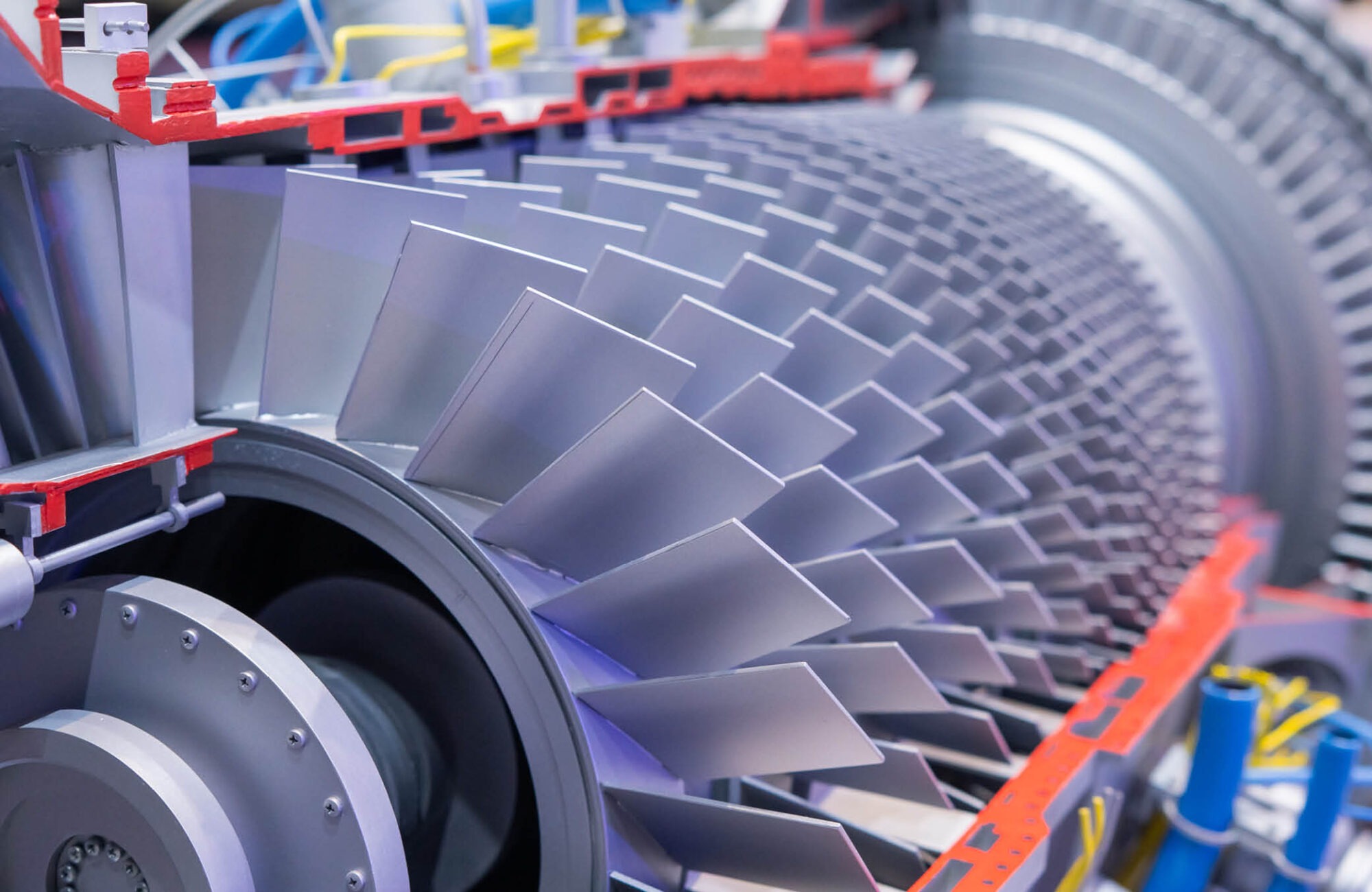
Titanium alloys are known for their strength and heat resistance, but these characteristics also make them difficult to machine.
Typical machining challenges include:
Despite these challenges, many manufacturers successfully machine titanium using water-miscible cutting fluids such as B‑Cool 755. The coolant’s lubrication and cooling capabilities help reduce heat at the cutting interface and support more stable machining conditions. This makes it a practical option for workshops machining both aluminium and titanium components on the same machines.
Many machining issues can be traced back to coolant performance rather than tooling or machine capability.
Some of the most common coolant-related problems include:

Poor coolant stability can lead to bacterial growth, unpleasant odours and frequent sump changes.

Insufficient lubrication or cooling can accelerate tool wear and lead to premature tool failure.

Inconsistent coolant performance can cause chip recutting, poor chip formation and surface defects.

Coolants that separate or degrade quickly can leave residues and contaminants within machine systems.
Using a high-quality coolant such as B‑Cool 755 can help reduce these issues and improve overall machining stability.
Because of its versatility, B‑Cool 755 is used across a wide range of machining industries, including:
Where aluminium and titanium components are commonly machined and process reliability is critical.
Where high production volumes demand consistent coolant performance and long sump life.
Where surface finish and dimensional accuracy are key quality requirements.
Where machines frequently run different materials and require flexible coolant solutions.
A real-world example of coolant optimisation comes from AMI Industries, a precision manufacturer producing complex components for sectors including aerospace, automotive, medical and hydraulics.
When the company installed a new machining centre, engineers wanted to improve machining efficiency by extending tool life, reducing production costs and improving surface finish. After reviewing the process with experts from Blaser Swisslube, the team tested B‑Cool 755 on a vertical lathe producing aerospace engine components made from Inconel 718.
Following the test phase, the machining process delivered measurable improvements:
These results enabled AMI Industries to optimise machining parameters and improve overall production efficiency.
During the project, the company’s aerospace division outlined the objectives of the trial:
“Our main goal was to extend tool life, reduce tool and production costs and improve surface quality. The results demonstrated how selecting the right cutting fluid can significantly influence machining performance, tool life and production costs.”
Aerospace Business Division Manager, AMI Industries
Selecting the right coolant is only part of the solution. Proper fluid management and monitoring are essential to maintain consistent machining performance.
Jemtech (Advanced Fluid Management) supports manufacturers with:
By optimising coolant performance, manufacturers can improve machining stability, extend tool life and reduce operating costs. Contact Jemtech today to discuss how B‑Cool 755 could support your machining processes. Follow us on LinkedIn for all the latest updates and innovations.
Yes. B‑Cool 755 is formulated without chlorine additives. Chlorine-free cutting fluids are often preferred because they help simplify waste management and support environmental and workplace safety requirements.
Mineral-oil based cutting fluids provide strong lubricating film strength, improved tool protection, better surface finish, and consistent machining performance across multiple materials. These properties make them well suited to demanding CNC machining operations.
A water-miscible coolant is supplied as a concentrate that is mixed with water to form a stable emulsion.
Advantages include excellent heat dissipation, reduced fire risk compared with neat oils, lower fluid consumption, and cost-effective use in large machining systems.
B‑Cool 755 is widely used when machining aluminium and aluminium alloys, titanium, steel and stainless steel, and nickel-based alloys. This makes it particularly suitable for machine shops machining mixed material batches.
Improved coolant performance can reduce costs through longer tool life, reduced coolant consumption, extended sump life, and less machine downtime. These factors contribute to improved productivity and more efficient machining operations.